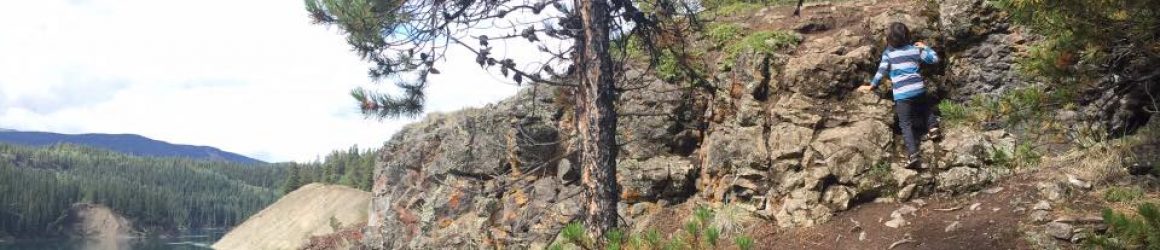
Before moving to the Yukon, my children were being raised at the top of the World, on Banks Island, at the Northern end of the Northwest Territories.
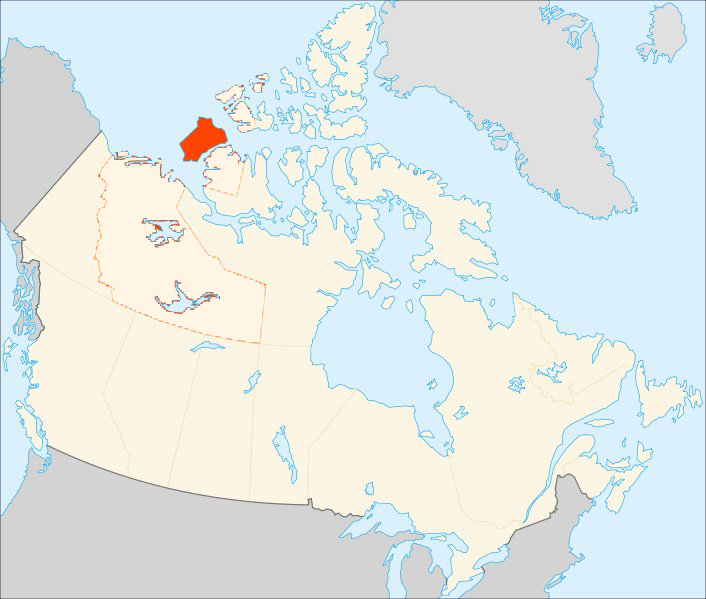
Banks Island is home to the Worlds largest population of Muskox and a healthy number of Polar Bears, Caribou and other wildlife. The land is vast, open, unforgiving and breathtaking.
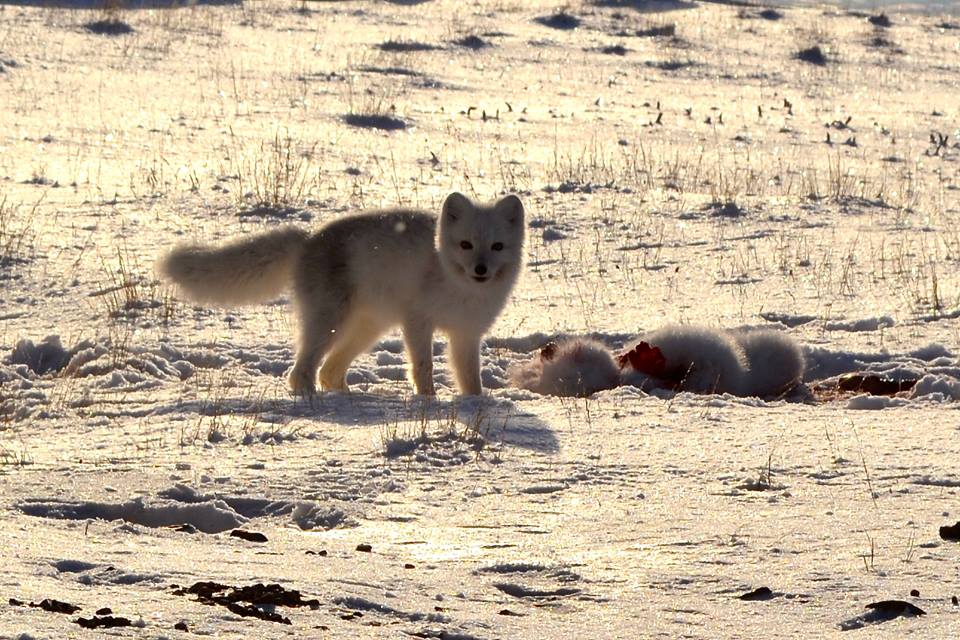
The environmental systems on Banks Island, in the Hamlet of Sachs Harbour (Ikaahuk) are basic. The only access to the Island is by thrice weekly airplane visits (not the type of plane that could provide assistance in the face of environmental challenge) and a once annual visit by barge – which facilitates the transport of SOME recyclables.
The lack of environmental education in the North is a problem that threatens the pristine beauty of our lands.
Most recyclables and compostables find their final resting place within the fencing of the Hamlets dump. The sight of this dump was something that visibly disturbed my children each time we visited and it sparked a desire to become educated and see change.
When I was offered the position of running the local Greenhouse, I travelled to Inuvik for an internship where I was first introduced on a more hands-on scale to composting and even vermicomposting.
It took me a while to get back into the swing of things during a Yukon winter. We only have garbage and recycling bins outside of our apartment, and the recycling receptacles only allow for paper products and plastic/tin.
My kids were coming home from school with half eaten lunches and my trash bin was filling up way too quickly! All I could think about was the Ontario Science Centre where I had been as a child, and their exhibit on Green House Gasses.
It was time we started composting and with very little foot work, I discovered that we could dump our compost into the organics bin on the other side of the parking lot where we live.
We took a trip down to Canadian Tire, which is a great place in Whitehorse to find all of the basic necessities to begin composting. I considered buying a plastic countertop bin, but knew that if I wanted to be successful, I’d also have to be realistic. If I bought the plastic bin, id end up needing to wash it out, and while it would sit soaking on my counter, we would be throwing food scraps into the garbage. Counter productive. I weighed my options.

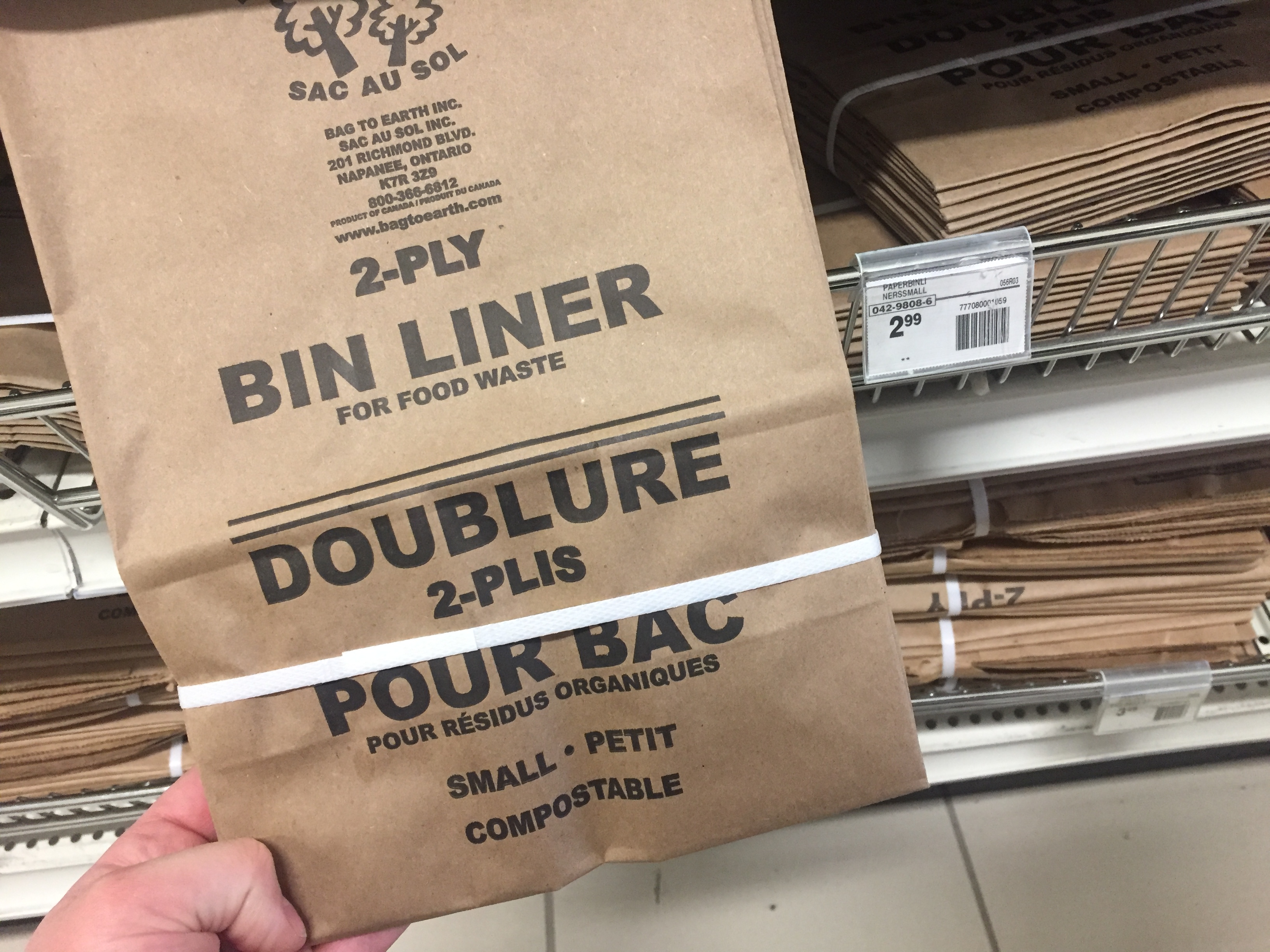
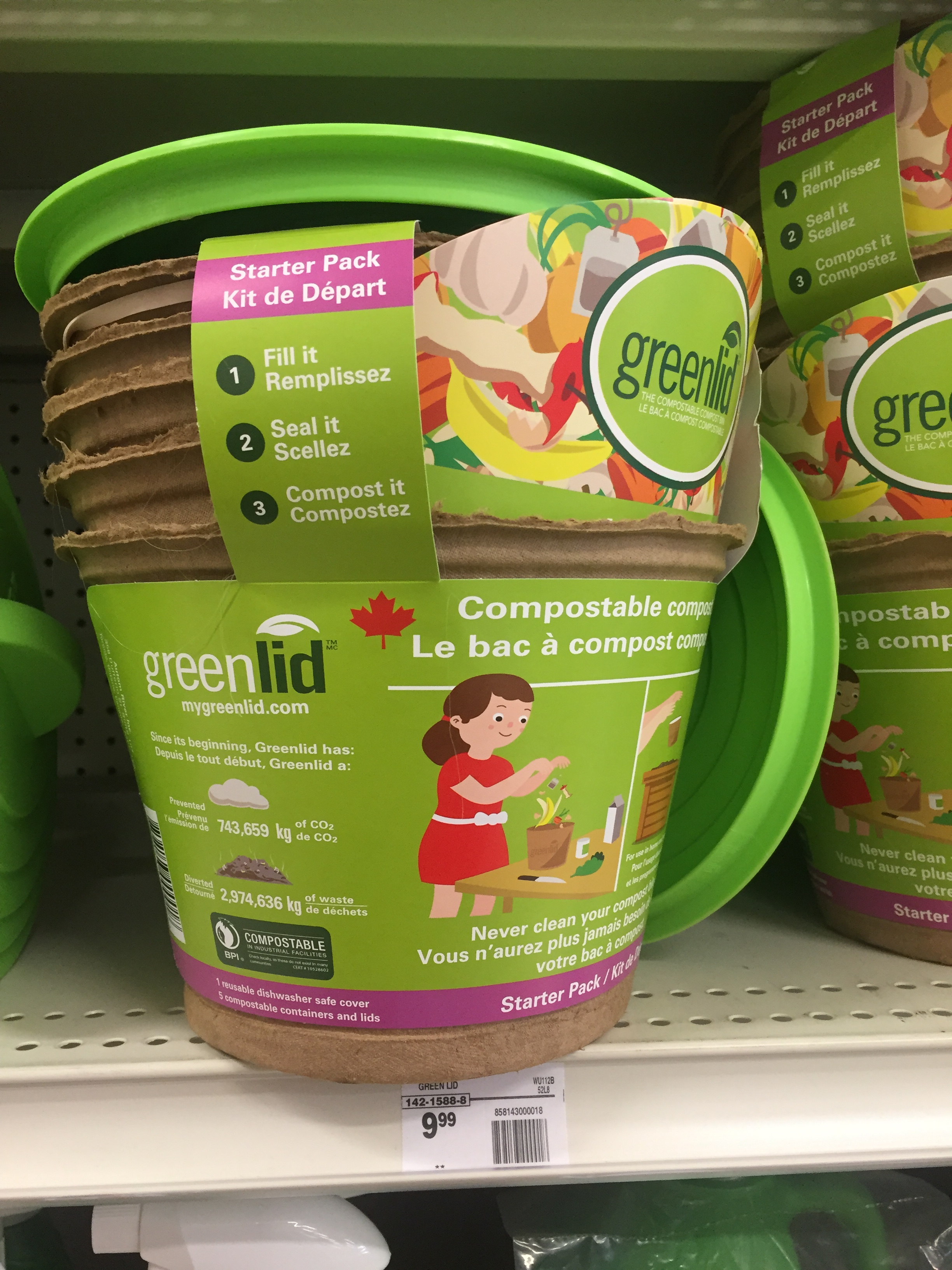
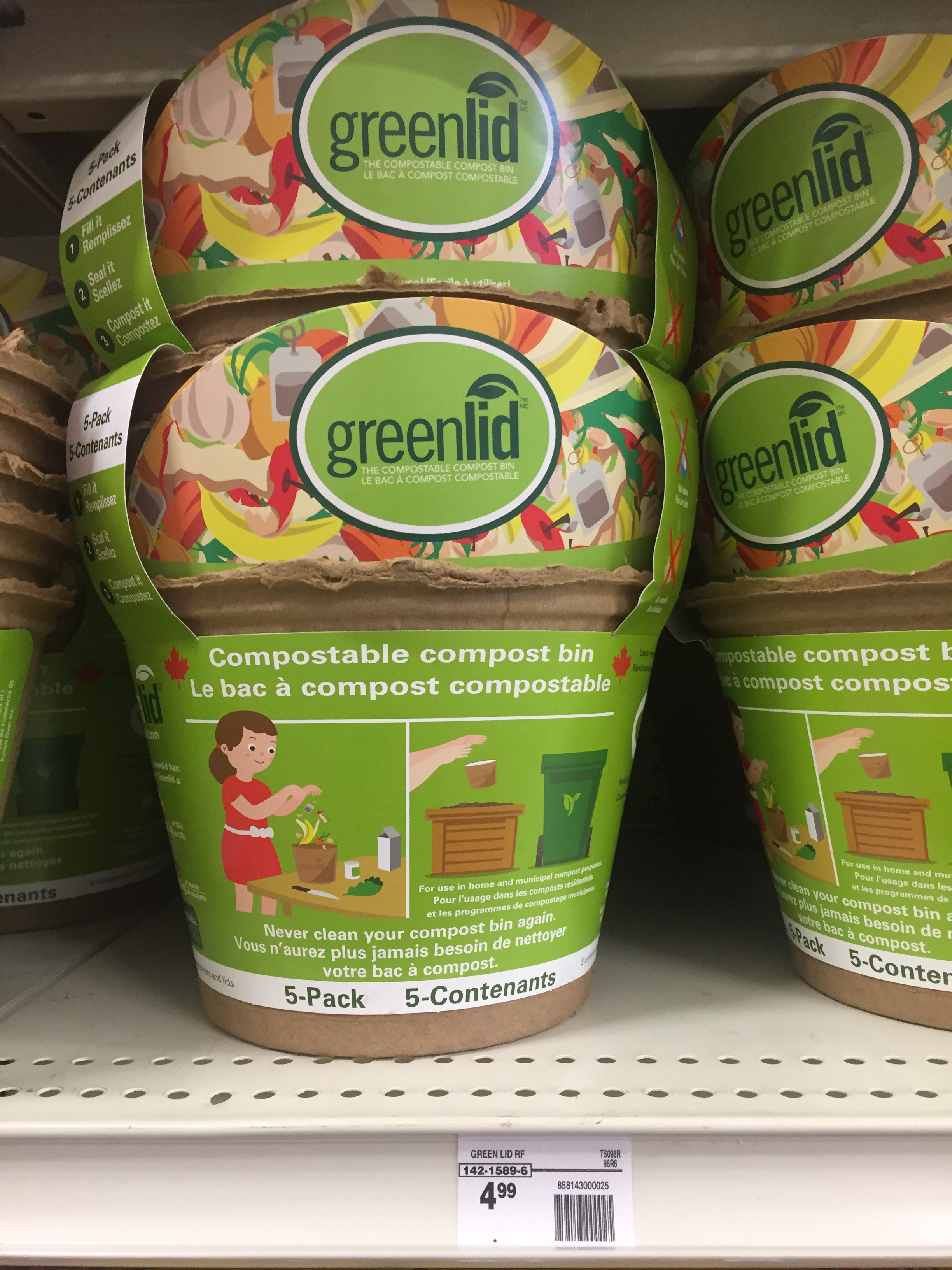
To make composting as simple and as doable for a busy family whose mother is a full time University student, we opted for the $9.99 greenlid starter pack, and have since been purchasing $4.99 5-packs. One five pack of countertop compostable bins last us just over a week and cut our garbage production down by at least a quarter.
Between recycling and composting we are now producing less than half of the garbage we were when we decided to make a conscious switch.
The City of Whitehorse has a great and informative website that lists all of the items that CAN go into your compost bin.
what is compostable?
For the quick answer whether something belongs in your Green Cart, you can use the convenient What Goes Where app, but here’s a bit more info…
Technically speaking if it was living it’s compostable, but there are some exceptions. Compost collection services accept:
- food including meat, fish, dairy products and shellfish (including the shells) – raw or cooked;
- garden and yard waste;
- food soiled paper (for example, that grease stained pizza box or muffin bag);
- human and pet hair;
- sawdust and wood shaving;
- coffee grounds & filters;
- loose tea & fiber tea bags;
- eggshells;
- and more.
Please do not place pet waste (feces, bedding or litter) into the compost bin. The City makes a high grade compost for your edible garden and pet waste can contain bacteria and parasites that may be harmful to human health.
The City has some great information on their website for others who are trying to get into the swing of making environmentally friendly changes!
 Us and the Environment